Colour marking schemes and WWRG

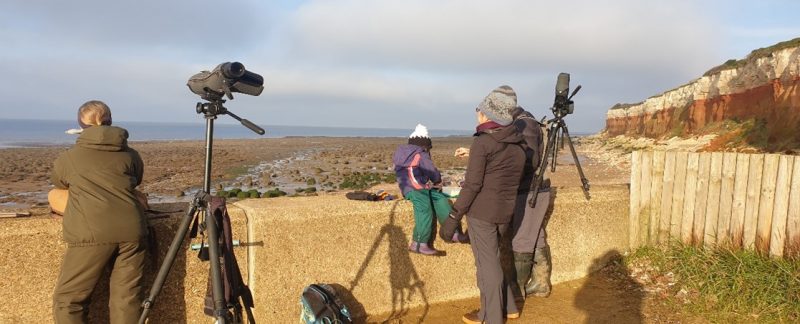
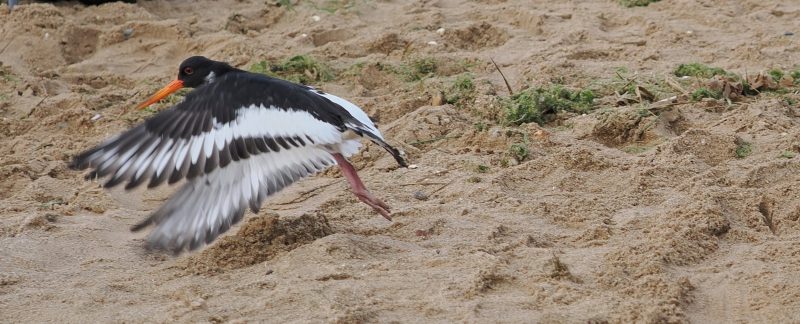
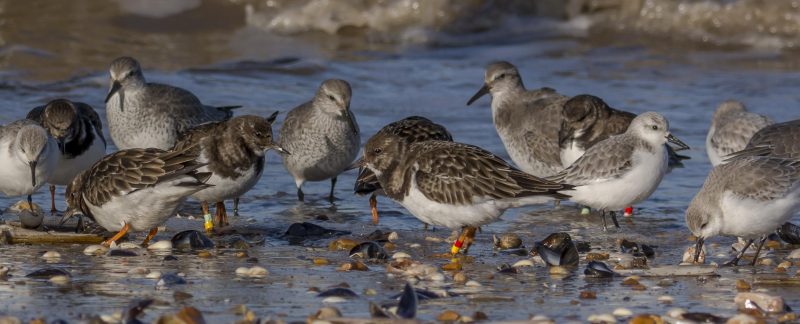
Regular attendees to The Wash (and everyone we encounter) may wonder why we typically devote one out of three tides of fieldwork to resighting colour-marked birds (as well as having some ‘resighting only’ weekends). Using colour marks alongside metal rings allows us to study aspects of wader ecology which cannot be investigated using metal rings alone. We now colour mark a variety of species and further information on our colour-marking schemes can be found here.

Continue Reading →

Fieldwork October 2022

Tim, Selena and Dave arrived at the Norfolk base earlier in the week to work on house and garden maintenance. In particular they removed a large amount of the excess vegetation that had grown up in the garden and Dave in particular helped wire up the potential decoy store. Cathy joined them for some of the time and Mark also helped out but wasn’t able to stay on for the weekend. This team put in a significant amount of effort over these few days and so deserve a big thank you from the group!

Continue Reading →

Why is that wader white?

We all occasionally see birds with some white feathers and, unless the bird has no colouring at all (albino), we generally put the lack of colouring down to leucism – an absence of pigment in some feathers. However, it’s not that simple – there are number of different types of lack of pigment (van Grouw 2021).

Photo of a leucistic Knot amongst standardly coloured Knot at Snettisham Pits in Norfolk. Photo by Rob Pell
Two other birds with ‘white spotting’ seen on the Wash, both at Snettisham. Photos by Rob Pell
Photo of a leucistic Oystercatcher roosting with other Oystercatchers with standard plumage at Snettisham Pits in Norfolk. Photo by Rob Pell
White-spotted birds are seen regularly, but it is rare for us to know if the cause is leucism or ‘progressive greying’.
Continue Reading →

Fieldwork August 2022

Avian Influenza (AI) precautions: With the spread of AI to wild birds (mainly colony nesters), we followed BTO guidelines and also introduced extra safety precautions to minimise risk – see here. There were also some sites we did not have access to for catching.

Friday 12 August

Recces were carried out early on Friday morning:

Norfolk: Cathy found Heacham Beach, north of the Ringed Plover fencing, was gull city with no waders present. Heacham North North at high tide had 33 Turnstone and 26 Ringed Plover.

Continue Reading →

Fieldwork July 2022

Friday 15 July

Evening recces were carried out at:

Gedney (Nigel) – the marshes were flooded 45 mins before tide with around 100 Curlew over the marsh, around 100 Redshank on the tide edge and 200–300 Black-headed Gulls on the pool.

Beaches (Guy) – Heacham North North, no birds; Heacham South c. 2,000 Oystercatchers; Snettisham beach a few Ringed Plovers and Oystercatchers, but lots of Ringed Plover fencing all along the beach making it unusable for catching. Also noted at Snetts was a Turtle Dove calling and a Spoonbill flyover.

Continue Reading →