Monitoring Bar-tailed Godwits on The Wash

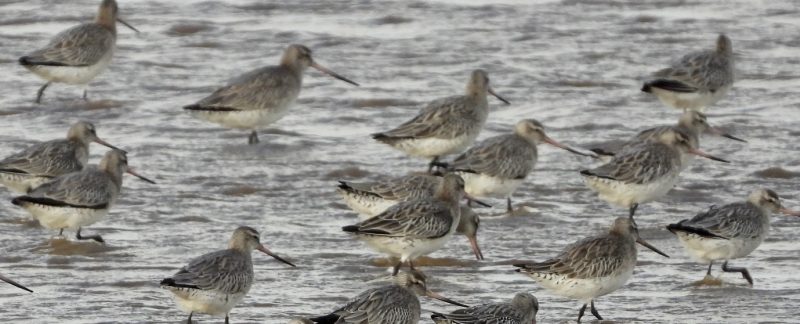
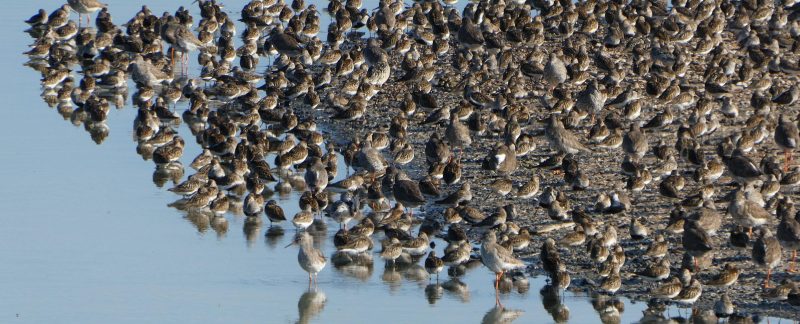
Bar-tailed Godwits (Limosa lapponica) are large waders which have a wide distribution across several continents. Five subspecies are currently recognised plus a sixth recently proposed as yamalensis (Appleton 2021). Bar-tailed Godwits are long-distance migrants and one subspecies (baueri) makes an incredible non-stop migration from Alaska to New Zealand over the Pacific Ocean lasting many days.

Two populations of Bar-tailed Godwit use The Wash: lapponica breeds from northern Fennoscandia eastwards to western Russia and the Taymyr peninsula and moults on The Wash in autumn, with most birds staying to spend the winter; taymyrensis breeds further east reaching central Siberia and passes through The Wash on migration to its wintering sites, as far south as West Africa.

Continue Reading →

WWRG is changing its name!

WWRG had been operating as a Ringing Group since its inception. In consultation with its members, it was decided that becoming a charity would secure the Group’s longer-term future and allow it to take advantage of new opportunities to support our work. Alongside this we are changing our name to Wash Wader Research Group to better reflect the range of activities we do.

Continue Reading →

Oystercatchers and shellfish

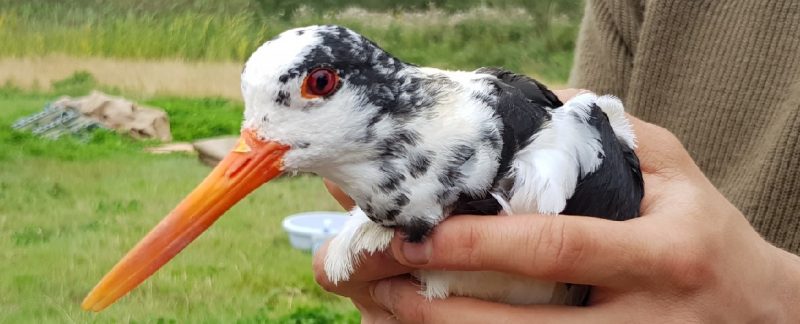
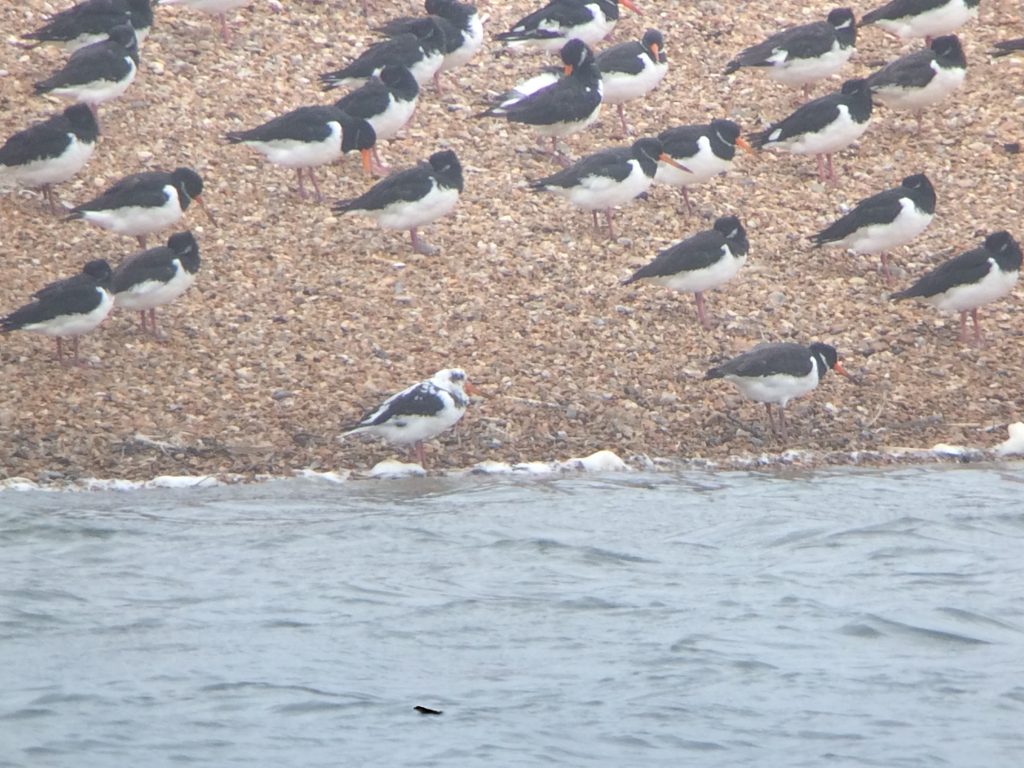
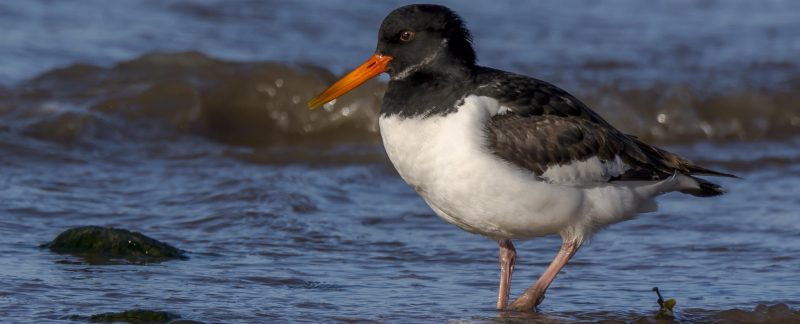
Back in the winter of 1992/93 Wash Group members noticed far more Oystercatchers than usual were feeding inland – on grass verges, in the middle of roundabouts and on the lawn at Sandringham. The Oystercatchers we caught had stopped moulting part way through, presumably to preserve energy and we found many hundreds of corpses on the shore. This led to an investigation of what had happened and, of course, the answer was complicated – but WWRG data helped to unravel the mystery. The Oystercatchers had encountered a ‘perfect storm’ of unusually cold weather combined with low stocks of both Mussels and Cockles – the preferred food of many of them – and a popular human food as well. Work with BTO, Eastern Inshore Fisheries & Conservation Authority (EIFCA, then the Eastern Sea Fisheries Joint Committee), the Centre for Environment, Fisheries and Aquaculture Science (Cefas) and Richard Stillman at the Centre for Ecology and Hydrology (CEH), showed the importance of balancing numbers of shellfish taken by the fishermen and the birds to ensure that there were sufficient for both as well as maintaining a breeding stock of shellfish, so that the supply continues. Understanding these balances, what might change them and how to react to changes (Adaptive Harvest Management) is a vital part of managing fisheries.

Continue Reading →

Ten years of colour-marking Curlew on the Wash – what have we learnt?

Curlew use the Wash both as a passage site to moult during autumn and as a wintering location. On a global scale, they are ‘Near Threatened’ i.e. vulnerable to extinction and they are present in Internationally important numbers on the Wash. Declines in the UK breeding population have placed Curlew in the highest category of UK bird conservation concern; therefore, the species is a priority for the group in terms of long-term conservation monitoring. We started to mark a proportion of the population on the eastern shore of the Wash with unique leg flags in 2012. This allows us to accurately determine their survival and assess wintering habitat use.

Since then, a total of 478 birds have been marked and we have had over 5,000 re-encounters recorded by over 200 WWRG volunteers and members of the public. We regularly dedicate fieldwork hours to ensure we have sufficient resightings to determine survival and winter distribution. This steady stream of data has started to be used in scientific publications to describe the east Wash Curlew population. This blog is a summary of what we have learnt so far.

Continue Reading →

Fieldwork November 2021

Friday 5 November

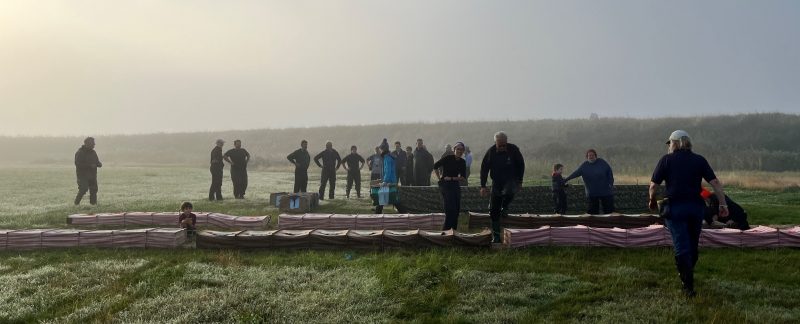
Most team members started to assemble at the base house from mid-afternoon (breaking the peace of Bernard and Carole who had been staying for a few days already). A mini-Glastonbury was then established outside to accommodate the large weekend team. Cathy, along with Lynne and Alex, provided a hearty meal of jacket potatoes with all the trimmings for the bulk of the team, followed by a fruit salad (Lynne), and a chocolate hazelnut tray bake (Alex) which was big enough to last the entire weekend (thanks to Tim and Ian B for washing up!). Katharine, Sophie, Alice, Rob, Sam and Skye all arrived later, with Rob blaming his later than planned arrival on the necessity to bake a carrot cake for the team, starting at 17:15…

Continue Reading →