Fieldwork October 2021: Part 2 – the younger generation

The following trip report was written by Sebastian Cooksey, age 14

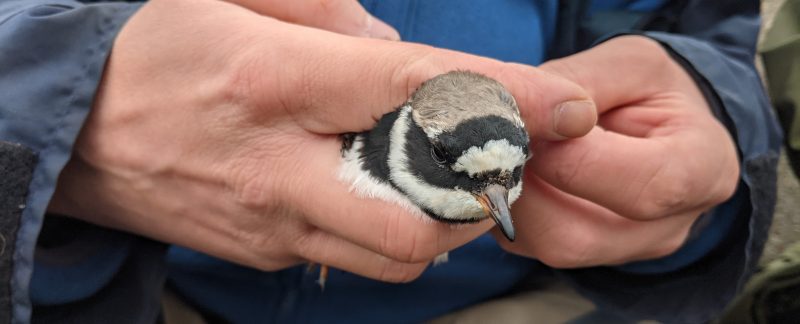
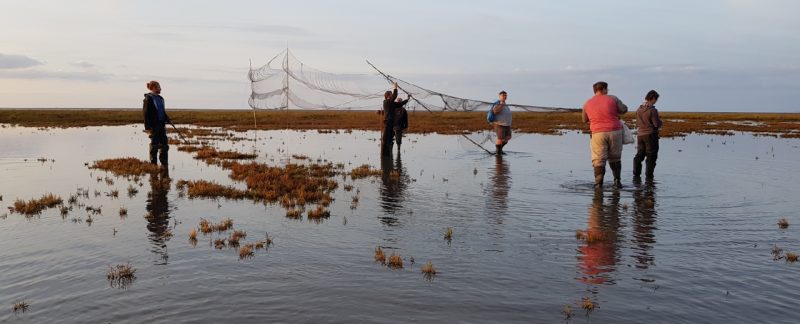
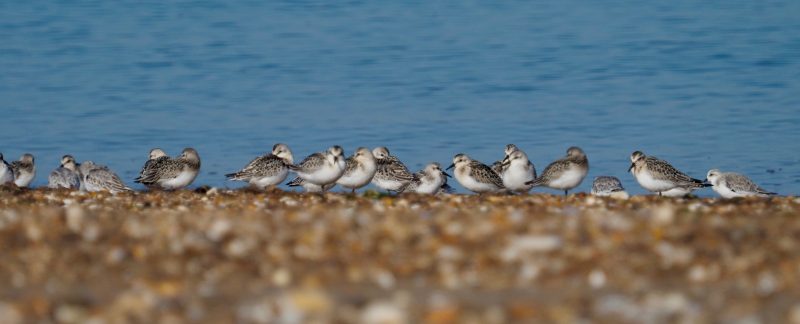
BOOM! The cannons fired and the best weekend of my life had just started. After lying for around an hour in the grass, we suddenly rushed to our feet and were running to the catch. From first glance, we realised it was a wet catch, nonetheless we waded into the water and started the process of ushering the birds up onto the drier beach. Water flooded into my wellies, but the excitement overpowered the discomfort. When the birds were all up on the beach, nicely rolled into a pocket, we could calm down. I could appreciate what we had caught, lots of pearl-white Sanderlings mixed in with a few Ringed Plovers. We could now start the extracting process and I was going to just stand and watch the experienced ringers have the fun, but Rob encouraged me to go do some extracting and before long I had three Sanderlings in my hand ready to put in keeping boxes. I was really grateful that Rob encouraged me to get involved and I feel like all the other people I met on this trip were all just as welcoming and trusting. This is what made me enjoy this weekend so much.

Continue Reading →

Fieldwork October 2021

Plan for the weekend

This was always going to be a challenging weekend! We had a number of targets and hoped to achieve some of them. The weather forecast was for it to be mild, with light winds, but foggy nights and early mornings.

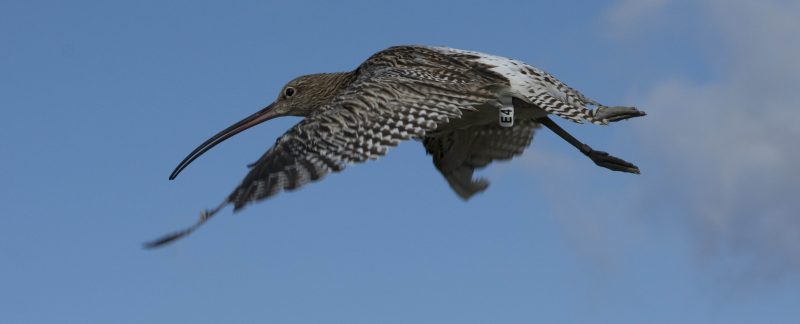
We had arranged for BBC AutumnWatch to come out and film our work but they could only make the Saturday morning. We had still failed to catch a single Curlew on our east shore study area and had ten GPS/GSM tags to deploy. This is the single largest expenditure on a project that the group had made (£12,000) in its 60-year history so we did not want to have to leave them in a box until next year. We then had an Oystercatcher tag that had already been on two Oystercatchers and had just been found on a beach after the silicone harness had broken (as they are meant to do).

Continue Reading →

Is climate change affecting Wash waders?

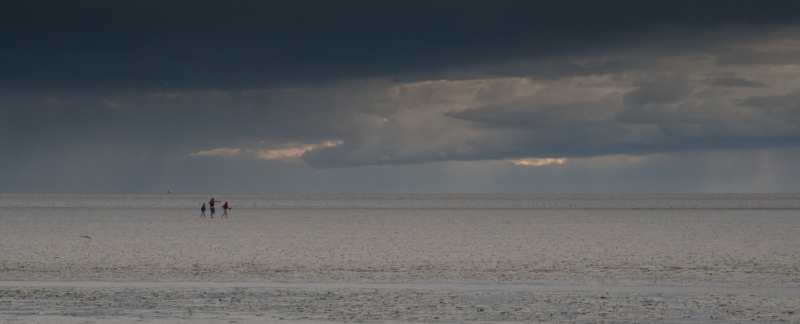
As CoP26 (the 26th annual Conference of Parties signed up to the UN’s Convention on Climate Change) gets underway in Glasgow, all eyes are on the global response to climate changes and whether national governments can come together to reduce global Carbon emissions sufficiently to avert some of the frightening effects predicted of ‘Business as Usual’. With most world leaders and tens of thousands of delegates discussing everything from atmospheric physics to social justice, such gatherings can seem a world away from the tranquil vistas of The Wash. But already we are seeing the effects of climate change, and the data archives of the Group, as well as research by Wash Group members has been vital in documenting these.

Continue Reading →

Wash wader research on Autumnwatch

Normally when people hear what time we get up to set and man our nets they look rather bemused and think of their warm beds. So it was great to welcome a crew from Autumnwatch, who joined us in during our October 2021 fieldwork to find out about our research on waders using The Wash. The crew came out with us early on a beautiful sunny Saturday morning when our target was Sanderling, one of our 11 study species, which we were able to catch.

Continue Reading →

Using data to make a difference

Birth, and copulation, and death.
That’s all the facts when you come to brass tacks:
Birth, and copulation, and death.
I’ve been born, and once is enough.

Although not involved in bird study, these lines from T. S. Eliot encapsulate our current studies of wader populations on The Wash. Bird populations are sustained by recruitment of fledged young into the adult population at an equal rate to the death of individual adults. More recruitment than deaths equals more birds. Unfortunately, the opposite is currently occurring in Eurasian Curlew, which is experiencing population decline. This could be due to not enough chicks being raised to adulthood from each nesting attempt, or alternatively, it could be due to increased death of adult birds. Knowing which factor is more important allows conservation efforts to be prioritised: do we need to protect Curlew nests to improve chick survival or do we need to enhance protection of wintering Curlew to improve adult survival? A recently published paper has explored one part of the equation – survival in Curlew – using data from The Wash, as well as other wader ringers around Britain and Ireland.

Continue Reading →