WWRG in Delaware – part 3

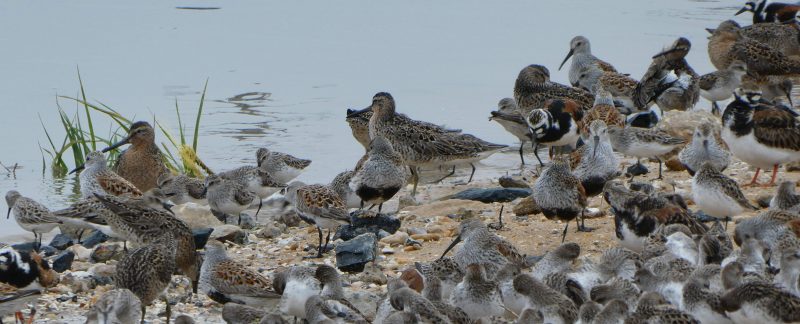
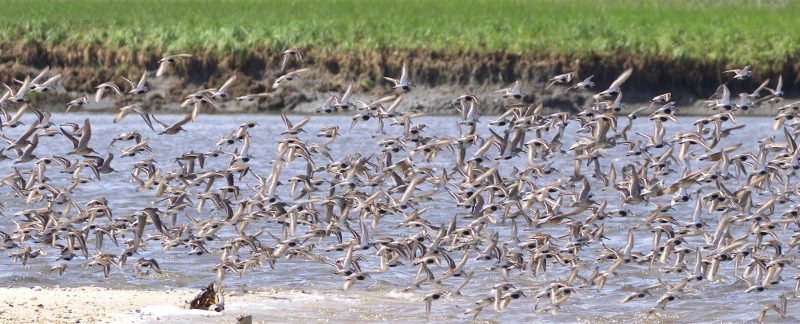
As we only had two Turnstone in the catch on 24 May, we went for a small catch on 25 May on Prime Hook Beach, hoping to repeat the 22 May catch. We found Turnstone in the same place, but they were moving around a lot so we only managed a very small catch. Others spent the day out resighting and surveying.
Continue Reading →

WWRG in Delaware – part 2

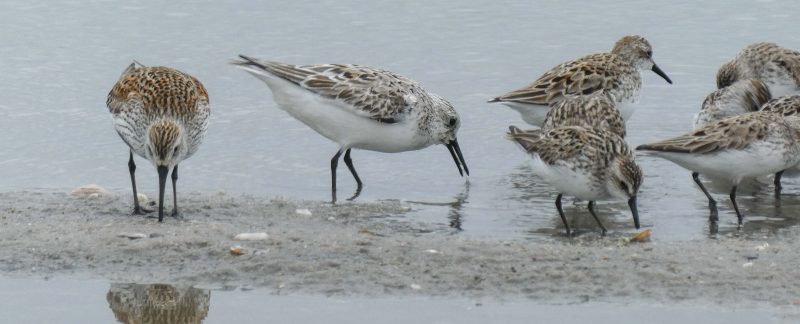
So the weather in Delaware has continued to be unseasonably wet; although not always as wet as the forecast suggested, we have been woken in the night by the rain at times. We had the same catching plan for three days, with the heavy rain and wind meaning that we couldn’t get out on the first two days – saves writing new plans on our wipe board each day and also means we get more data input and checked. We did get out in the afternoon on Saturday to try to make a catch of Sanderling for a PhD project – we found Sanderling on the north end of Prime Hook Beach and went to set. We had issues with Grackles and Blackbirds scaring the shorebirds but managed to get a small catch, but only two Sanderling.

Continue Reading →

WWRG in Delaware – part 1

Every May for the last 22 years, members of WWRG have headed off to Delaware Bay to help catch and resight shorebirds as part of an international project studying migrants on stopover. The shorebirds feed on Horseshoe Crab eggs and fatten up rapidly for their journey to the Arctic to breed. We help to catch birds to mark them, check their condition and weight gain, resight marked birds on the beaches to work out survival and return rates, as well as working out how long individuals stay. More information about the project and results can be found here 

Continue Reading →

Fieldwork February 2018

Friday 16 February

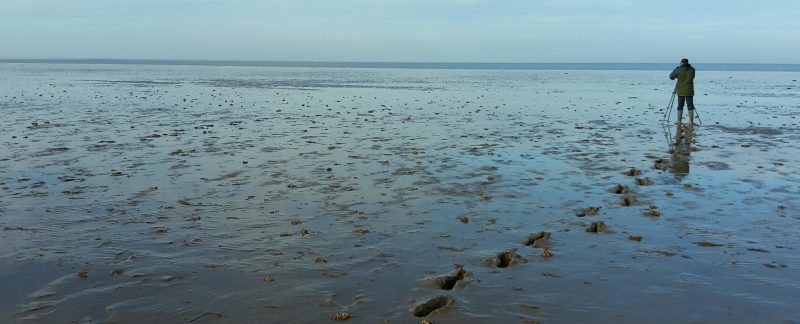
Carole and Cathy undertook a recce of the beaches at Snettisham and Heacham at high tide, arriving on the beach just after first light at 06.15. There was approximately 250 Oystercatchers on Snettisham Beach, a nucleus of about 150 and two smaller groups of about 50 each 100 metres either side of the main flock. A group of about 10 Oystercatchers was seen on Heacham Beach with another group of about 100 Oystercatchers at the far north end of Heacham Beach. No grey waders were seen on either beach.

Continue Reading →

Fieldwork January 2018

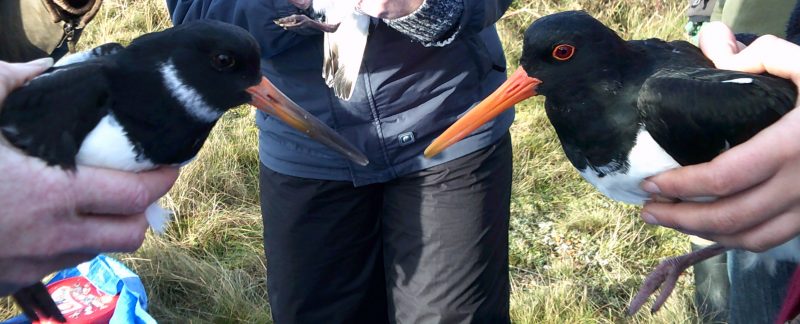
This was the first field trip of 2018 for the Wash Wader Ringing Group and was the first cannon net catch by the group since September 2017. This was an extremely experienced team, with four cannon net licensees (plus one trainee,) as well as several ringers with considerable experience of both cannon netting and mist netting waders with the group. Sophie and Alyce had each been to one mist net catch previously and only Ellie was completely new to wader ringing with the group (although she had done some wader ringing with another group).

Continue Reading →